AC Maintenance Guide
AC Coil Cleaning: Signs, How Often, and Why It Matters
Your AC has two coils: an evaporator coil inside that absorbs heat from your home, and a condenser coil outside that releases it. When either one gets coated in dirt, pollen, or grass clippings, heat can't move efficiently. The system runs longer, cools less, costs more to operate, and wears out sooner. In Florida, where AC runs most of the year, coils get dirty faster than almost anywhere else.
Signs Your AC Coils Need Cleaning
Longer Run Times
The system runs longer than it used to, especially on hot afternoons, and struggles to reach the thermostat setting.
Higher Electric Bills
A dirty coil forces the compressor to work harder to move the same amount of heat, which shows up on your power bill.
Weak or Warm Airflow
Cooling drops off. In bad cases the indoor coil can freeze, or the system can start blowing warm air.
Musty Smell
Florida humidity keeps the indoor coil wet, so dust on it can grow mold and bacteria that you smell when the system kicks on.
Indoor vs. Outdoor Coils
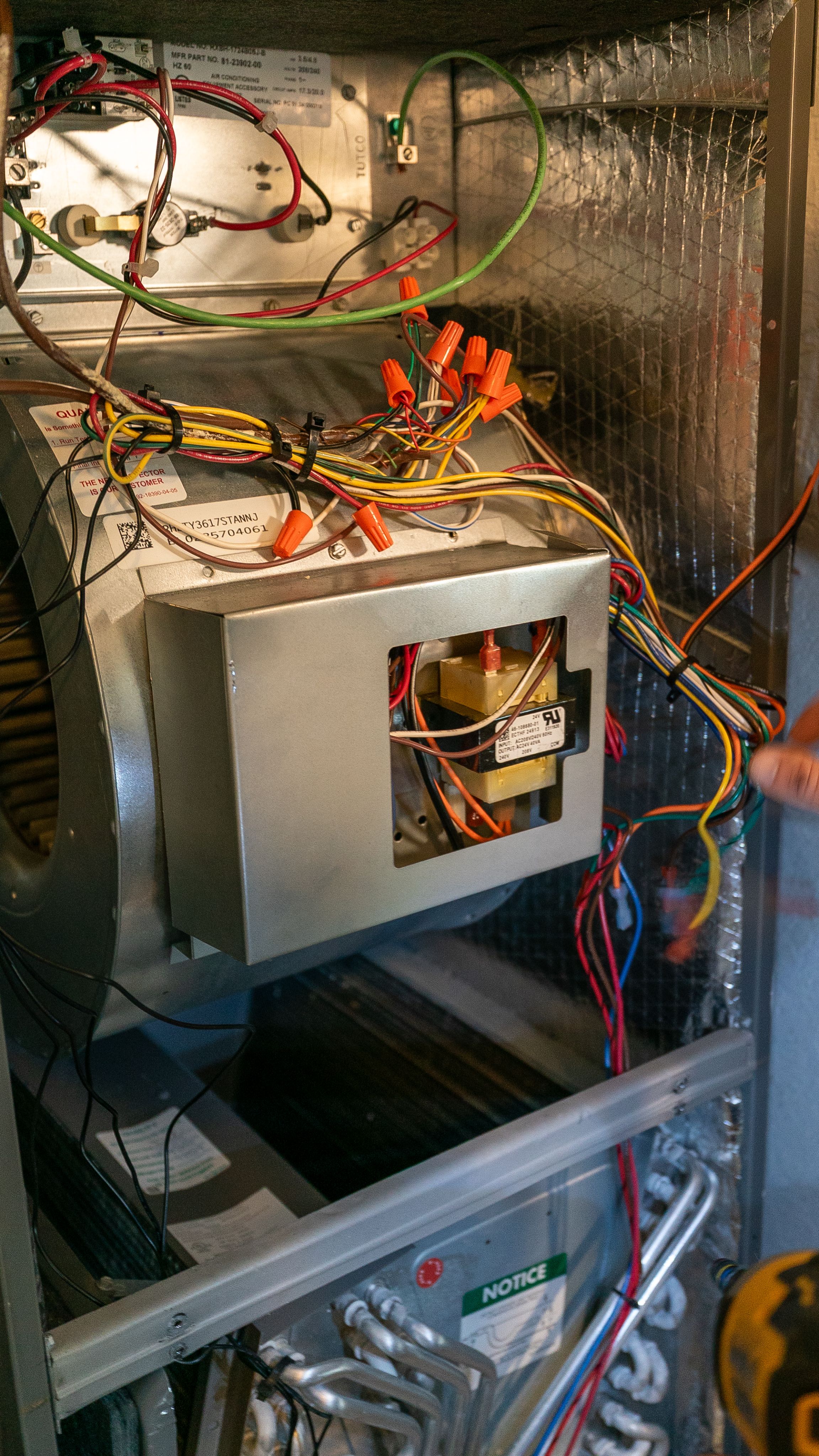
- Evaporator coil (indoor): sits in or above the air handler. It stays cold and wet, so dust that gets past the filter sticks to it. Cleaning it means opening the unit and should be left to a technician.
- Condenser coil (outdoor): the metal fins wrapped around the outdoor unit. Lawn clippings, pollen, leaves, and dirt build up on it all year.
- Why Florida is harder on coils: long cooling seasons, heavy pollen, year-round mowing, and high humidity all speed up buildup.
How Often Should AC Coils Be Cleaned?
For most Florida homes, coils should be inspected at every maintenance visit and cleaned whenever buildup is visible. That's usually more often than in cooler climates. Homes near busy roads or fields, homes with pets, or homes where filters aren't changed regularly tend to need it more. Our guide to how often to service your AC in Florida explains the full schedule.
We inspect both coils during AC maintenance visits and let you know whether a cleaning is needed. A maintenance plan keeps those visits on schedule.
What You Can Do Yourself
Change your filter on schedule
A clean filter is the best protection for the indoor coil. Check it monthly during summer.
Keep the outdoor unit clear
Trim plants back a couple of feet, and point mower discharge away from the unit so clippings don't coat the coil.
Rinse the outdoor coil gently
With the power off at the outdoor disconnect, rinse the fins with a garden hose. Never use a pressure washer — it bends the fins and blocks airflow.
Leave the indoor coil to a technician. It sits next to the blower, electrical parts, and the drain pan, and harsh cleaners can damage the coil. If you're also noticing dust or odors through the house, see our indoor air quality and duct services.
AC Coil Cleaning FAQs
How do I know if my AC coils are dirty?
Common signs are longer run times, higher electric bills, weaker cooling, ice on the indoor coil or refrigerant lines, and a musty smell when the system starts. On the outdoor unit you can often see dirt, grass, or pollen packed into the fins.
How often should AC coils be cleaned in Florida?
Coils should be inspected at every maintenance visit and cleaned whenever buildup is visible. Because Florida systems run most of the year in high humidity and pollen, they usually need it more often than systems in cooler climates.
Can I clean my AC coils myself?
You can gently rinse the outdoor condenser coil with a garden hose after turning off power at the disconnect. Do not use a pressure washer. The indoor evaporator coil should be cleaned by a technician because it requires opening the air handler.
Can dirty coils cause my AC to blow warm air?
Yes. A dirty outdoor coil can't release heat, and a dirty indoor coil restricts airflow and can freeze. Either one can reduce cooling until the system blows warm air.
Does coil cleaning lower my energy bill?
Clean coils transfer heat more efficiently, so the system doesn't have to run as long to cool your home. That usually means lower energy use and less wear on the compressor.
Time for a Coil Check?
We'll inspect both coils, tell you what we find, and clean them if they need it. We serve these communities: